
The Warsaw residential market remains defined by a structural shortage of high-quality homes in central and prime districts. Even as new projects appear across the city, demand consistently exceeds supply in locations where buyers value walkability, strong infrastructure, and long-term investment stability.
Śródmieście remains one of the most expensive districts due to its unmatched access to cultural institutions, premium retail, and top-tier business infrastructure. Very limited land availability and strict planning conditions result in minimal new supply a key factor that keeps prices growing faster than the city average.
"Why Śródmieście, Mokotów, Wola and Wilanów Continue to Outperform the Market"
Mokotów, especially Górny Mokotów, maintains strong upward momentum for similar reasons. Mature urban fabric, proximity to key business centers, and strong demand from expatriates and professionals keep the district in permanent shortage of high-quality apartments.
Wola continues its transformation into a modern business and residential hub. New office clusters, metro access, and mixed-use developments attract both buyers and investors. Even with a steady flow of new projects, demand from young professionals and corporate tenants absorbs supply quickly, supporting long-term price growth.
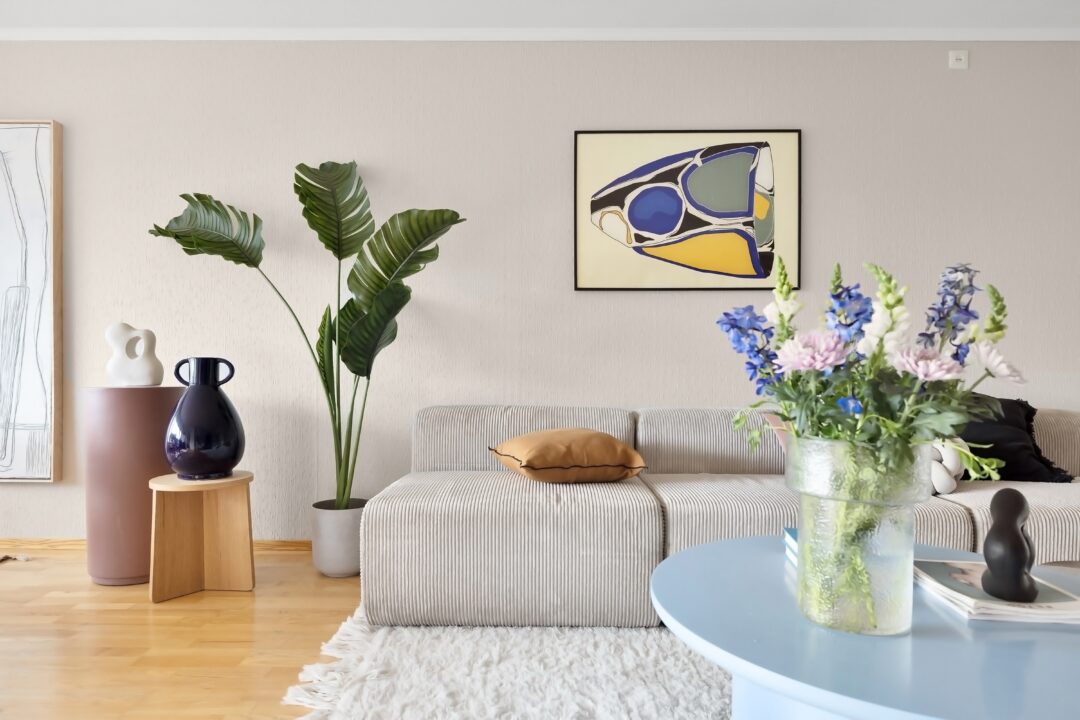
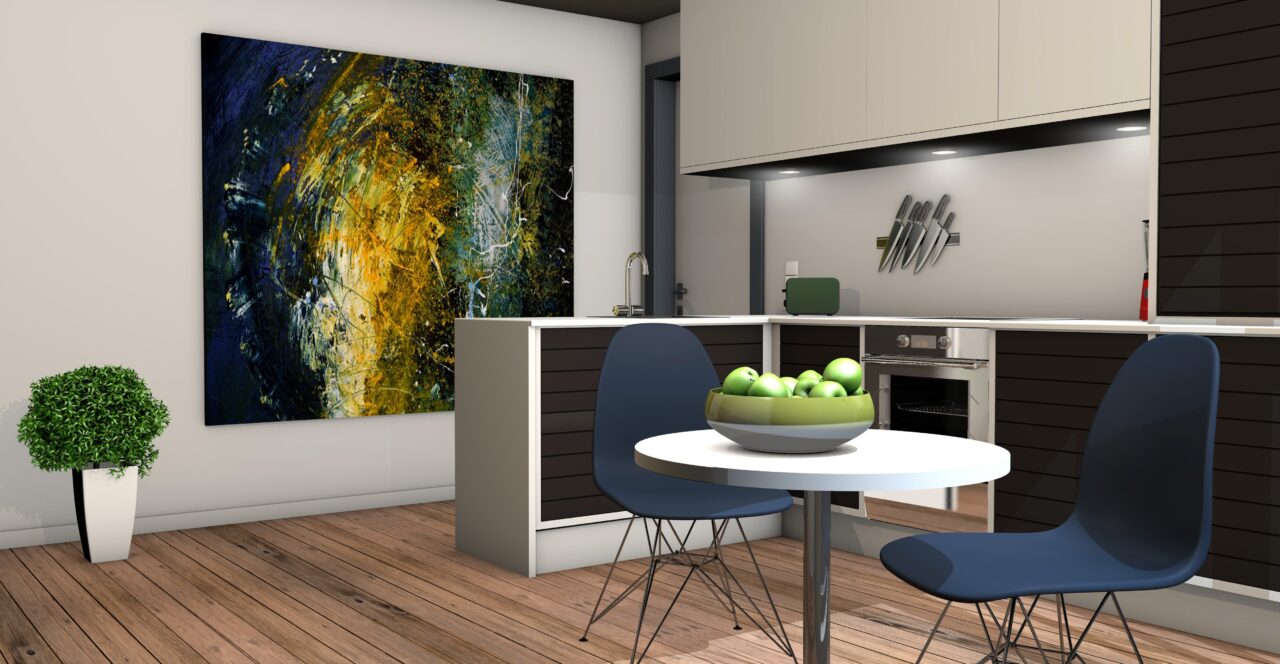
Wilanów, known for its planned layout and family-friendly environment, offers stability and consistent interest from international buyers. Limited construction potential in established parts of the district strengthens the premium positioning of well-located properties.
Across all these areas, the most resilient segment remains high-standard apartments between 40–80 sqm, preferred by both end-users and investors. Properties close to metro stations, green spaces, and business districts show the strongest price endurance and fastest absorption.
The combination of strong local demand, continuous inflow of international residents, and constrained supply ensures that Warsaw’s central districts will remain the city’s most stable and fastest-growing residential markets both in 2026 and beyond.