

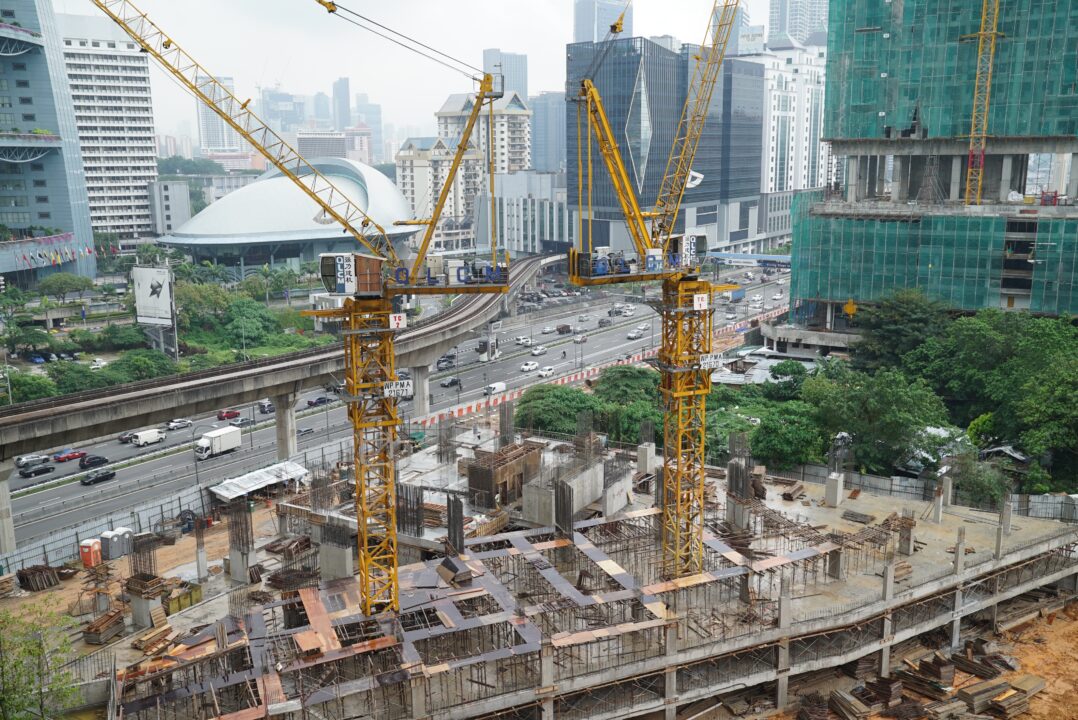
The primary residential market in Poland is entering a phase of renewed activity driven by an expanding pipeline of new developer projects. After a period of limited supply, developers are now releasing fresh investments across major cities with Warsaw at the forefront.
The increase in new projects changes the structure of the market in two ways. First, it improves availability in high-demand districts, where supply was constrained for several years. Districts such as Mokotów, Wola, Wilanów, and Bemowo are seeing a noticeable rise in new developments, offering buyers a more diverse selection of apartment sizes, layouts, and standards.
"How New Developer Projects Reshape Demand"
Second, the growing number of projects stabilizes pricing dynamics. With more units entering the market, buyers gain stronger negotiating conditions and greater flexibility when choosing between early-stage and ready-to-move-in properties. This shift supports more balanced growth and reduces the risk of sudden price spikes.
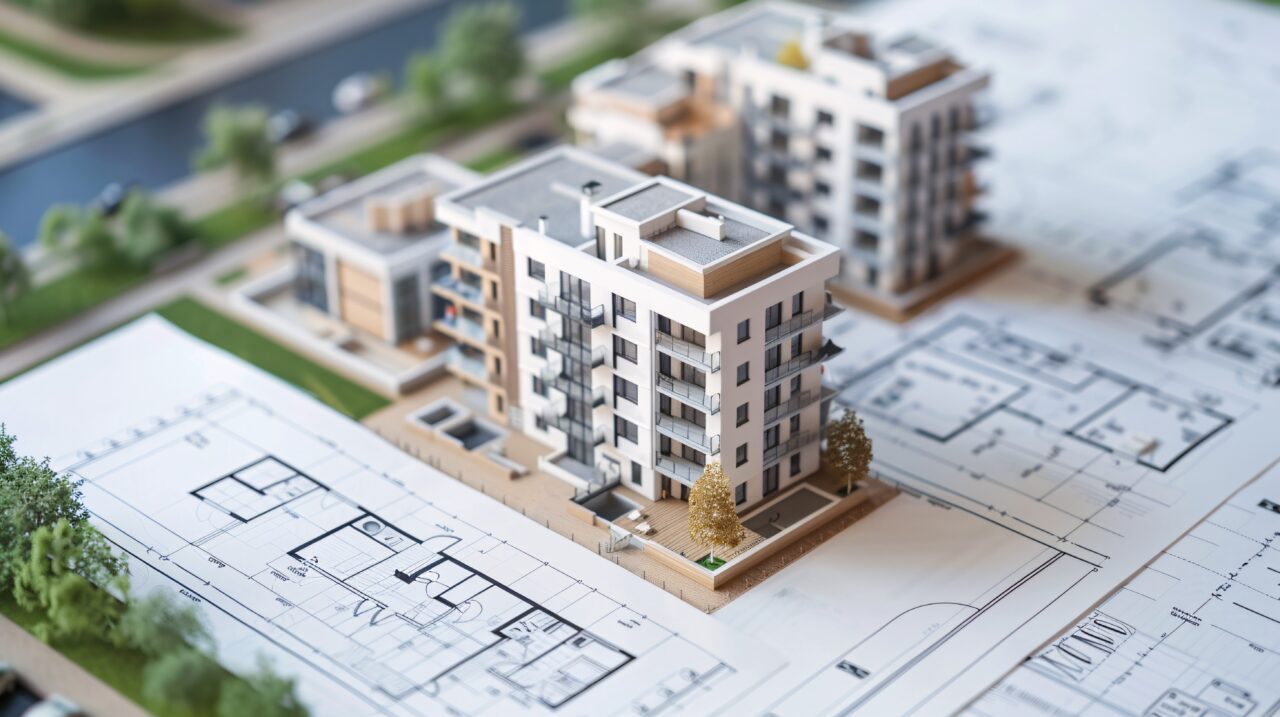
Developers also increasingly focus on modern design, sustainability, and energy efficiency factors that significantly influence buyer preferences. Smart layouts, underground parking, green areas, and improved building standards are becoming standard expectations rather than premium add-ons.

For both homebuyers and investors, the activation of the primary market marks a favorable environment. More choice, improved quality, and clearer timelines make the decision-making process smoother, while new projects in emerging neighborhoods offer attractive long-term potential.
In 2026, the primary market is therefore shaped not only by demand, but also by a new generation of developments — more refined, better located, and aligned with the expectations of modern residents and international buyers.