

Access to mortgage financing in Poland is gradually becoming more structured and transparent for foreign buyers. While banks continue to apply stricter verification for non-residents, the overall framework in 2025–2026 is more predictable, with clear income documentation rules and defined credit eligibility criteria.
Most banks require stable, verifiable income from the EU, UK, US, Canada, or other countries with strong financial reporting standards. Applicants must present tax returns, employment contracts, and bank statements that confirm long-term financial stability. Currency alignment remains key — borrowers earning in EUR, USD, GBP, or CHF are usually assessed more favorably than those earning in less stable currencies.
"Conditions, Changes, and Bank Requirements"
Recent years have brought gradual adjustments in lending policies. Some institutions reduced internal risk margins for foreign clients with high, stable income, while others introduced dedicated mortgage specialists for non-residents. The trend is moving toward more standardized procedures and shorter processing times, especially in major cities like Warsaw, Kraków, and Wrocław.
Banks most active in financing foreign buyers are typically those with well-developed international service platforms. They tend to offer competitive fixed and mixed-rate mortgages, clear documentation requirements, and English-language support. Although each case is evaluated individually, borrowers with stable income and strong credit history often obtain terms comparable to Polish residents.



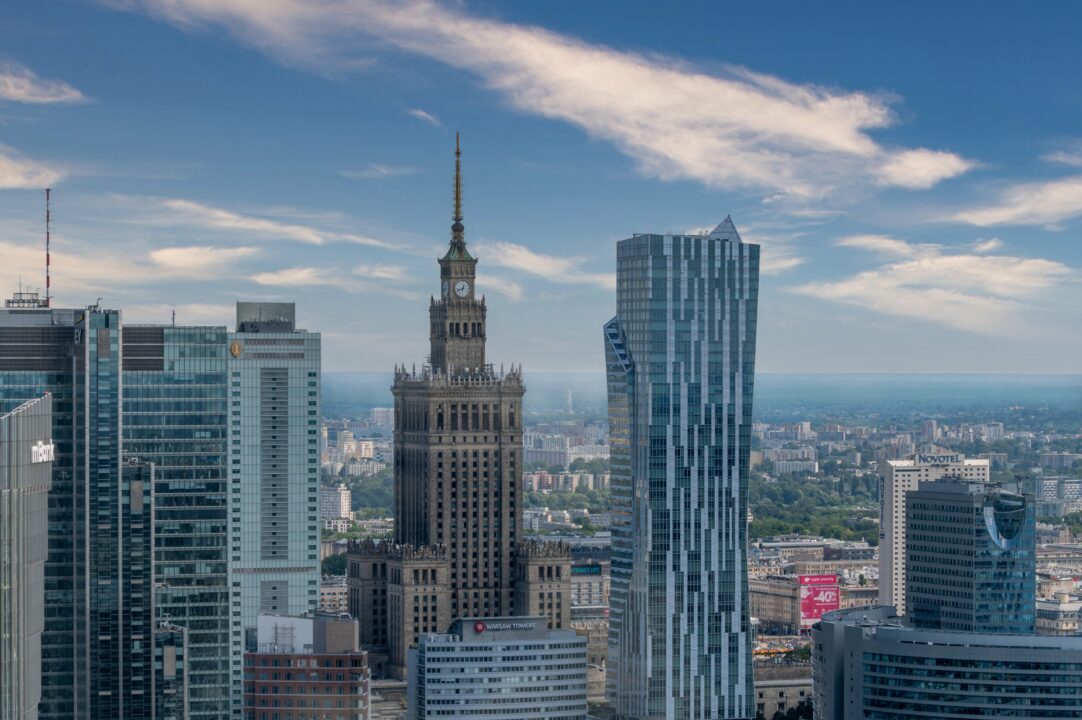
For international buyers, this creates a more accessible environment: structured requirements, clearer eligibility rules, and a growing number of banks prepared to work with non-residents. For investors, it means the ability to secure long-term financing for high-demand residential or mixed-use properties in Poland’s strongest markets.